
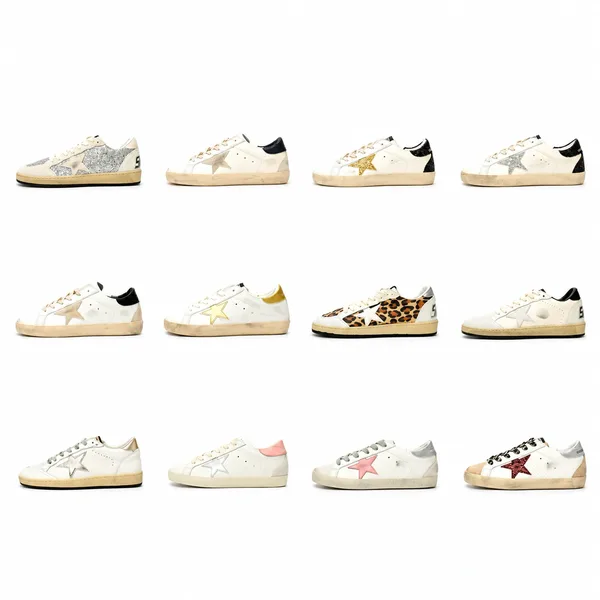
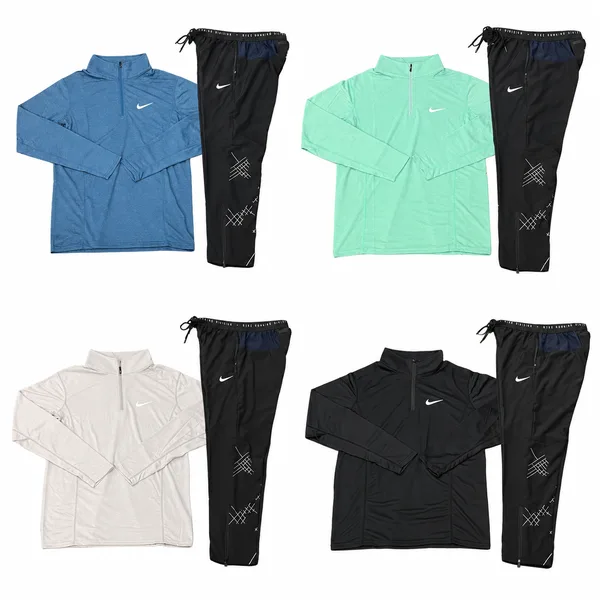
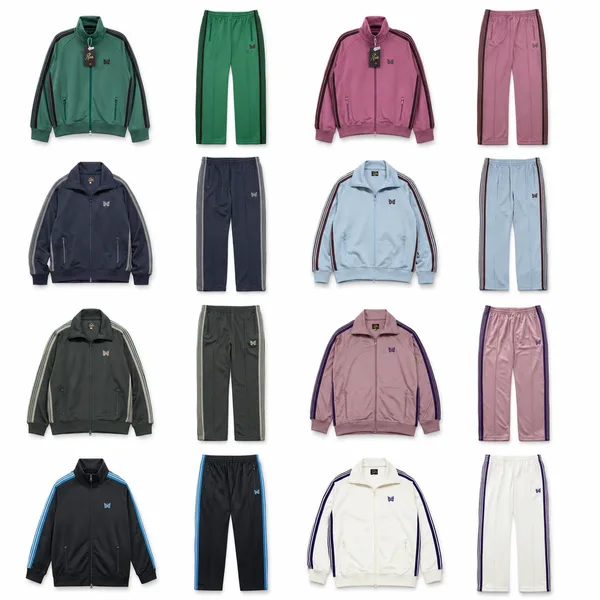
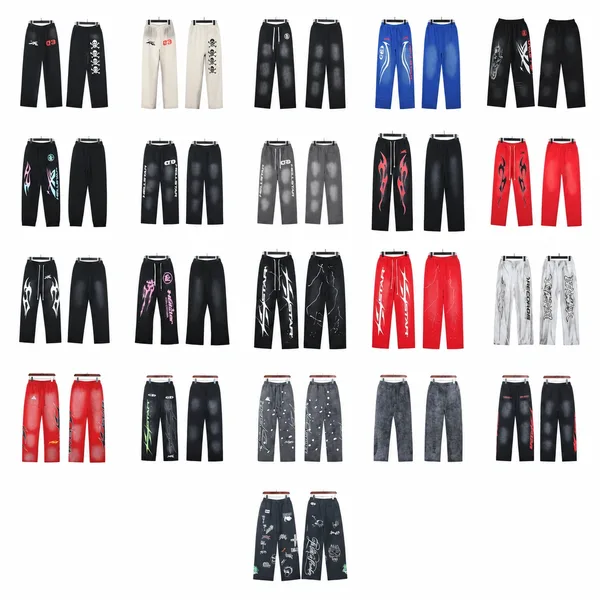
Find the pieces worth a closer look
An OopBuy spreadsheet helps you organise product links, but a saved row is not a finished buying decision. The useful part is being able to trace a find back to the exact item, compare its options and see what still needs checking before you spend money.
OopBuy spreadsheets: keep the record usable
When a collection is described as “OopBuy spreadsheets”, use it as a decision record only while the source, item, selected option, field definitions and refresh date remain visible. Open the destination instead of judging a row by its label, and keep category, price observation and QC reference in separate fields. If a row is archived or broken, mark that state rather than silently replacing the link; a year in a title does not date every row.
The shorter phrase “OopBuy sheet” follows the same rule: keep the exact destination and selected option beside each row, define units before comparing fields, and write the observation date whenever a price or status could change. A sheet is a working shortlist, not evidence that an item is available or suitable.
Dated spreadsheet collections
Using an OopBuy spreadsheet in 2026
Begin with the product choices you need now, not the promise implied by the year in a collection name. This site's finds guide links a graphic tee and a mint knit as separate catalogue candidates, while the women's guide introduces explicitly labelled catalogue leads. These are starting points to inspect, not a claim that every linked option is in stock or every item has been purchased and reviewed.
For a row you intend to use, refresh the destination, selected option, price scope and the information that could change your choice. If a catalogue card is visible but its detail page does not load, keep the card's identity separate from unanswered size and availability questions. Move on to another candidate if those questions prevent a useful comparison.
Do not refresh an entire collection merely by changing its year. Keep a brief note of what you actually rechecked. A product photograph can remain useful for design discovery while its old price no longer supports a purchase decision. The archive guide explains how to retain older context without presenting it as a current offer.
Start with one item you actually need. Give it a row with a product address, a short identifying description, your intended colour and size, and a note about the question that could stop you buying it. You can then compare alternatives without treating every attractive picture as an extra purchase.
Start with the question you need answered
These six guides cover different parts of using an OopBuy spreadsheet. You do not need to read them in a fixed order:
- OopBuy spreadsheets: compare a larger collection without mixing item, option and date scope.
- Best OopBuy spreadsheet: compare collections by how well they support your own choices, rather than their row counts.
- OopBuy spreadsheet links: check where a link leads and keep the item and option attached to it.
- OopBuy spreadsheet guide: follow a find through selection, order checks, QC and parcel planning.
- OopBuy spreadsheet review: separate the usefulness of a collection from claims about individual orders.
- Is an OopBuy spreadsheet safe?: examine the particular action, destination and information involved before proceeding.
This page is the starting point for building the shortlist itself. If you already have a row and the destination has changed, go straight to the links guide. If your item has reached the photo-review stage, use the QC photos guide instead of beginning the search again.
Use the OopBuy finds guide to turn a shared picture or product lead into a specific comparison. Keep the destination, option and unresolved question attached to the row rather than treating a saved image as a finished buying decision.
Give each row one job
For an outfit-based shortlist, use the clothing comparison guide to distinguish alternatives from pieces that serve different purposes.
Keep one row for one identifiable product listing. When colour or size changes a decision, record the selected option explicitly. A title such as “black tee” is too vague if you have three black T-shirts saved from different listings.
| Field | What to put in it | What it prevents |
|---|---|---|
| Product address | The destination for this listing | A picture becoming detached from its source |
| Item description | A few distinguishing details | Confusing similar names or thumbnails |
| Intended option | Colour, size and any package choice | Comparing the wrong variant |
| Price observation | Amount, currency, option and date | Treating an old observation as a present quote |
| Fit or QC question | The particular detail you need to check | Collecting photos that do not answer your question |
| Next action | Compare, measure, revisit or remove | Leaving every saved find looking ready to buy |
Leave a missing measurement empty rather than entering zero. Keep item price separate from delivery estimates. A blank field calls for a check; zero and an all-in total communicate very different things.
Work through a T-shirt example
Suppose you want an oversized graphic T-shirt. Begin with the graphic and overall cut, then move to the option you would actually select. An appealing product photo does not tell you whether the size chart describes a garment's width or your body circumference, or whether a pictured colour matches the option name.
Inspect the white floral-lightbulb graphic T-shirt on OopBuy
Use that product page as a starting point for comparison, not as proof of fit. If options or details are still loading, wait for them before choosing a variant. Keep the listing address in your row and compare measurements against a T-shirt you already wear comfortably, using the same measurement method. Do not turn a flat width into a body measurement without accounting for what each figure describes.
If another listing looks similar, retain both addresses until you have established whether they really describe the same item. Matching graphics alone do not establish matching fabric, cut, seller or size chart.
Compare alternatives without losing the reason you saved them
Write a short reason for each candidate: “roomier shoulders,” “graphic works with plain trousers,” or “need to check length.” These are your preferences, not claims about product quality. They make a comparison useful even before all fields are complete.
Choose a small set of decision-making fields and compare those consistently. For a T-shirt, dimensions may matter more than the number of available colours. For a bag, the opening and usable dimensions may matter more than how large it looks on a model. A candidate with more photographs is not automatically better if none shows the detail you need.
Remove duplicates only after comparing destinations and options. Two rows leading to the same listing may contain different useful notes; combine the notes before deleting one. Two visually similar listings should remain separate until their relationship is clear.
Keep the stages of a purchase distinct
A spreadsheet can record progress, but its labels do not create progress. “Saved” means you found a link. “Selected” means you decided on an option. Neither means an order was placed, paid, received or inspected.
After an order action, associate the relevant order record with the same item. At the QC stage, compare the pictured item and option with that record before inspecting details. Keep the QC guide nearby when deciding what an image actually demonstrates: a visible print is different evidence from a readable measurement.
When planning delivery, use the shipping guide to distinguish a preliminary estimate from the parcel being prepared. Adding up product prices does not calculate shipping. An estimate for a different destination or different package dimensions does not become your quote just because the products look similar.
Refresh the shortlist at the point of use
Reopen the destination before an action that depends on it. Check that the item and selected option still match, then refresh the observations that matter to that action. You do not need to reread an entire collection each time, but an old row should not override the current page.
If a link now opens a category page, a different item or an error, set the row aside. Search for the intended item again and compare its identity before replacing the address. Keeping an old photo beside an unrelated new destination makes the sheet harder to trust.
Common questions
Is a bigger spreadsheet more useful?
Only if the additional rows help you find and compare suitable items. A smaller shortlist with working destinations, clear options and relevant notes can be easier to use than a large collection of repeated or ambiguous links. Compare the collection's organisation as well as its size.
Can I use someone else's QC photo for my selected size?
First establish what item and option the photo represents. A photo of another size can help you understand appearance, but it does not supply your selected size's measurements. Keep that distinction in the row instead of silently transferring the figures.
Should I share the whole sheet?
Share the product information needed for the discussion. Remove order numbers, addresses, account details and private payment records from a copy before sharing it. A friend helping you compare a graphic does not need your delivery information.
Does being listed mean the product is approved or available?
No. Inclusion is a discovery lead. Check the destination, option and information needed for your next action separately. The spreadsheet safety guide explains how to keep those checks tied to the action you are about to take.
Language sections
The Swedish collection covers product comparisons and purchase steps, with a historical Sweden shipping example and QC viewing guidance.
For Austria-specific reading, use the Austrian German collection, including a dated Austrian shipping example and QC guidance.
En español: OopBuy spreadsheet y guías de compra, opiniones sobre OopBuy y comprobaciones antes de comprar.
Use the German section, Czech section or Slovak section for the same spreadsheet and service questions in another language.
Try a product-level comparison
For a graphic tee, compare how each collection helps you move from the picture to the actual selection. Can you retain the address, record the intended colour, and understand the measurement question? Do not reward a list merely for displaying the same image at a larger size.
Examine the graphic tee listing on OopBuy
Treat this as a product page to inspect, not a tested size recommendation. If the option selector is still loading, you have not yet established which variants can be selected. The quality of the spreadsheet cannot fill in a product page's missing details.
Once you have the measurements, compare them with a garment you already use, matching the measuring method. A row labelled “oversized” does not tell you how its shoulders or length compare with your preferred fit.
Two clothing leads with different jobs
Consider these separately rather than ranking unrelated garments by one price:
| Find | Why it might belong on a shortlist | What to inspect next |
|---|---|---|
| White floral-lightbulb graphic T-shirt | A printed top to compare with simpler trousers or layers | Selected option, garment dimensions and print placement |
| Mint Heart-A knit | A colour-and-motif candidate for a layered outfit | Length, shoulder room and available option details |
These are catalogue references, not received-item reviews or a claim that either listing is available in your size. If the page displays a title while options are still loading, do not fill the gap with a size chart from a similar item. The clothing guide helps compare the role of a garment before you enlarge the shortlist.